
Back to Biotech Innovation & Investment Summit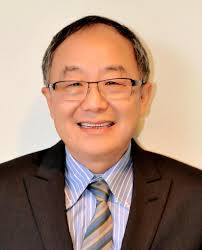
Session F: Future of Biotechnology
4:40 PM – 5:10 PM
NCBiotech Center, Research Triangle Park, NC
Talk Title
Strategic Reflections on the Future of Biotechnology
Speakers
Xiaofan Wang, Ph.D.
Donald and Elizabeth Cooke Distinguished Professor of Cancer Research, Duke University Foreign Member, Chinese Academy of Sciences
Duke University
Xiaofan Wang, Ph.D. is the Donald and Elizabeth Cooke Distinguished Professor of Cancer Research at Duke University School of Medicine, where he also serves as Professor of Pharmacology and Cancer Biology, Professor of Cell Biology, and a Member of the Duke Cancer Institute. He is a Foreign Member of the Chinese Academy of Sciences, elected in 2017, and is widely recognized as a leading cancer biologist whose work has advanced several major areas of modern cancer research, including cell signaling, DNA damage and repair, and the tumor microenvironment. He received his Ph.D. from UCLA and completed postdoctoral training at Whitehead/MIT.
Over the course of his career, Dr. Wang has made particularly important contributions to the understanding of the TGF-β signaling pathway, a field in which he played a major role in defining key molecular mechanisms and biological functions. His work has helped clarify how signaling pathways regulate fundamental cellular behavior and how their dysregulation contributes to cancer development and progression. His research also emphasizes major contributions in DNA damage responses, miRNAs in tumor development and metastasis, and cellular senescence in normal and neoplastic tissues, placing him among the scientific leaders who have helped shape the conceptual foundation of contemporary cancer biology.
Dr. Wang's scientific impact is further reflected in his publication record and the continued breadth of his research program. He has published more than 100 scientific papers, including articles in Science, Nature, Cell, Cancer Cell, and Nature Cell Biology. Currently, his research remains deeply engaged with both mechanistic discovery and translational opportunity, including studies on tumor immune regulation within the tumor microenvironment, the interaction between the nervous system and cancer immunotherapy, and the molecular basis of cellular senescence and age-related disease, with the goal of advancing senolytic-based therapeutics.
In addition to his scientific accomplishments, Dr. Wang brings broad academic and strategic leadership experience. His honors include election as an AAAS Fellow, and he has also played an influential role in advancing international scientific exchange and research evaluation.