
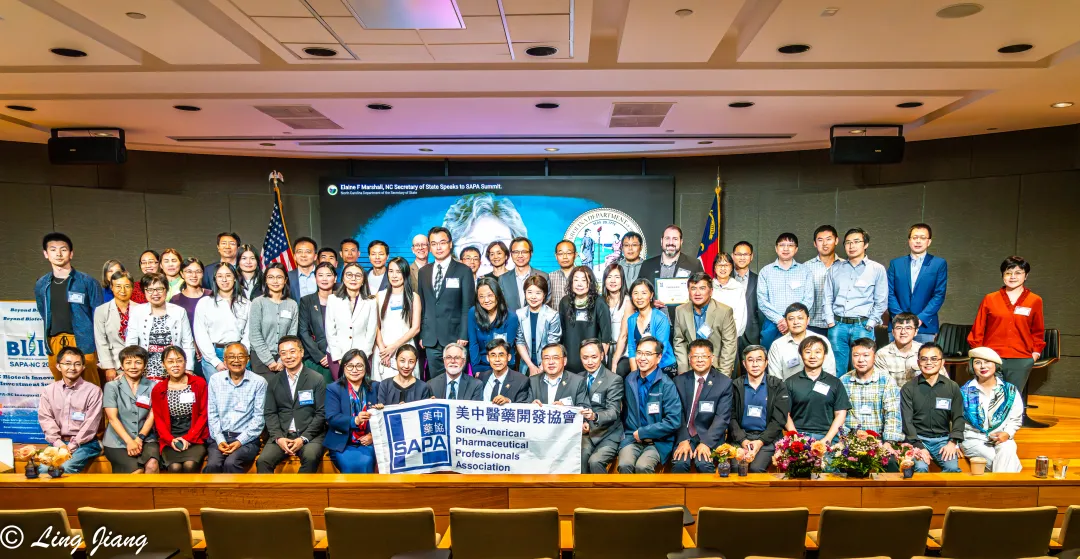
Conference Summary
On April 24, 2026, the SAPA-NC (Sino-American Pharmaceutical Professionals Association North Carolina Chapter) successfully hosted the inaugural NC Biotech Innovation & Investment Summit (NC-BIIS 2026) at the NC Biotechnology Center in Research Triangle Park, North Carolina. Continuing SAPA's tradition of creating high-quality exchange platforms, the summit invited leading figures from academia, the global biopharmaceutical industry, CRO/CDMO organizations, the investment community, and the innovation sector for in-depth discussions on AI-driven drug discovery, translational technology, biotech services, startup financing, and next-generation biomedical innovation.
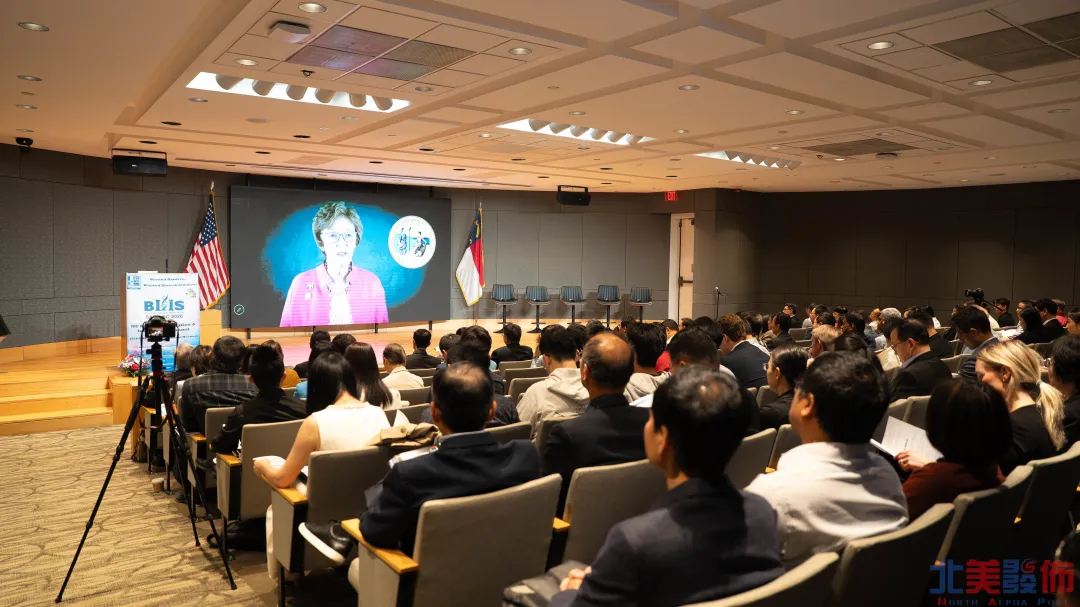
Themed "Beyond Borders, Beyond Biotech Frontiers," the event featured six core sessions and nine high-level panel discussions — including a keynote address by a Nobel Laureate — attracting professionals from across the global biopharmaceutical value chain. The atmosphere of on-site exchange was vibrant and engaging.

Opening Ceremony: Crossing Borders, Building the Future Together
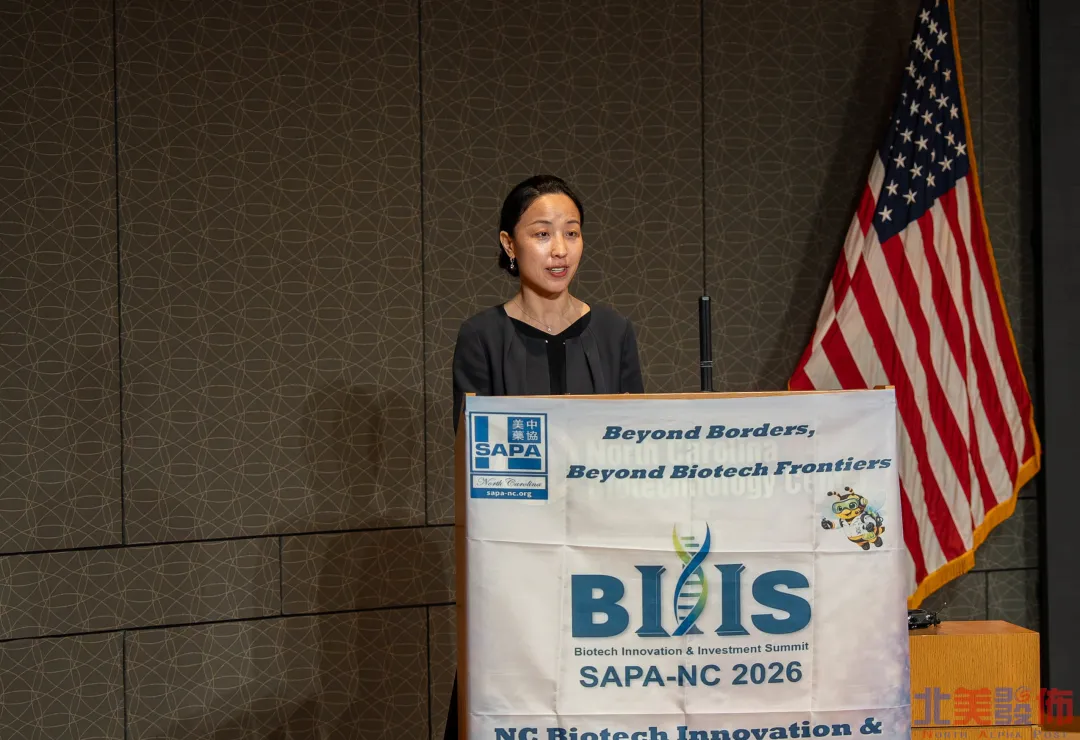
The conference opened with Dr. Li Lan (M.D., Ph.D., MBA), conference chair, SAPA-NC Vice President, and Duke University professor, serving as MC. As an internationally recognized expert in genomic stability and tumor biology, Dr. Lan delivered a warm and professional opening, welcoming guests who had traveled from afar and officially launching this annual gathering of the North Carolina biopharmaceutical community.
This was followed by remarks from SAPA President Dr. Wei Ding (Ph.D.), who leads Bioinformatics and Data Science at Alexion AstraZeneca. Dr. Ding congratulated SAPA-NC's rapid growth on behalf of the national organization and reviewed SAPA's illustrious history since its founding in 1993. He emphasized that SAPA has always been committed to advancing pharmaceutical science, public health education, and career development, and that the SAPA-NC summit represents a deep extension of this global vision in North Carolina. He stated: "We want to connect every dot — together driving the future of drug development."
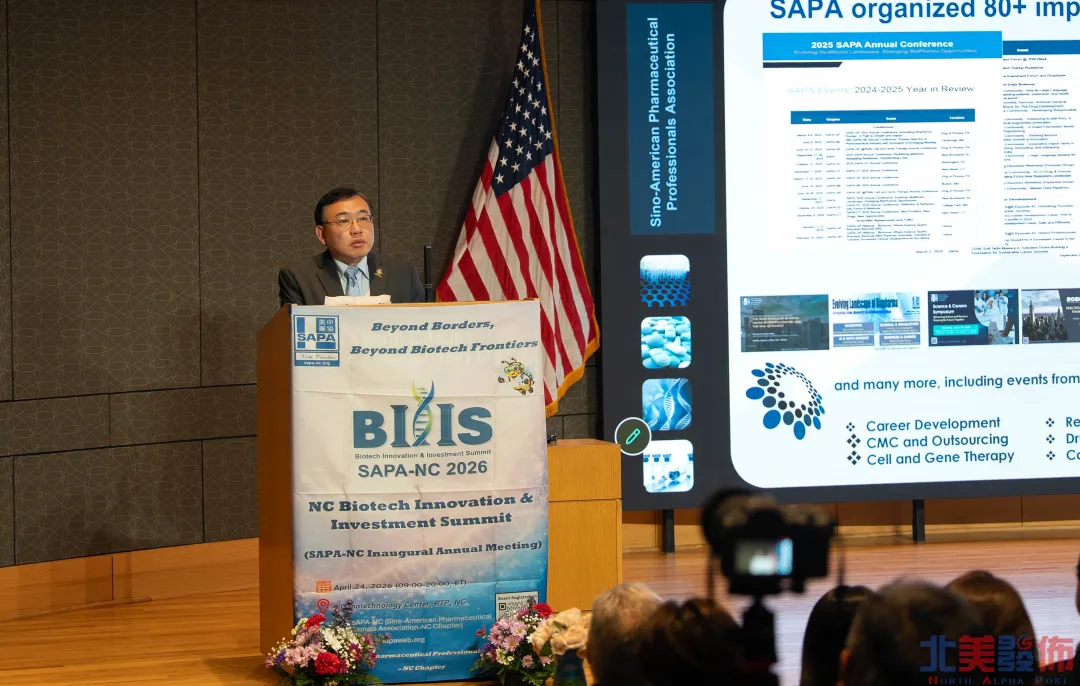
Next, SAPA-NC President Dr. Bin Xiao (M.D., Ph.D.), co-founder of Uni-Pioneers BioMed, delivered an inspiring vision speech. Dr. Xiao spoke with passion: "This is not just a conference — it is a brand new starting point." He elaborated on the summit theme — "Beyond Borders, Beyond Biotech Frontiers" — aimed at breaking geographical barriers and integrating science, medicine, industry, and capital. He praised North Carolina's unique life sciences ecosystem (Science, Industry, Capital, Talent) and expressed heartfelt gratitude to the 30+ expert speakers, dozens of sponsors, and volunteer team, calling on everyone to jointly open a new chapter in North Carolina biotech.
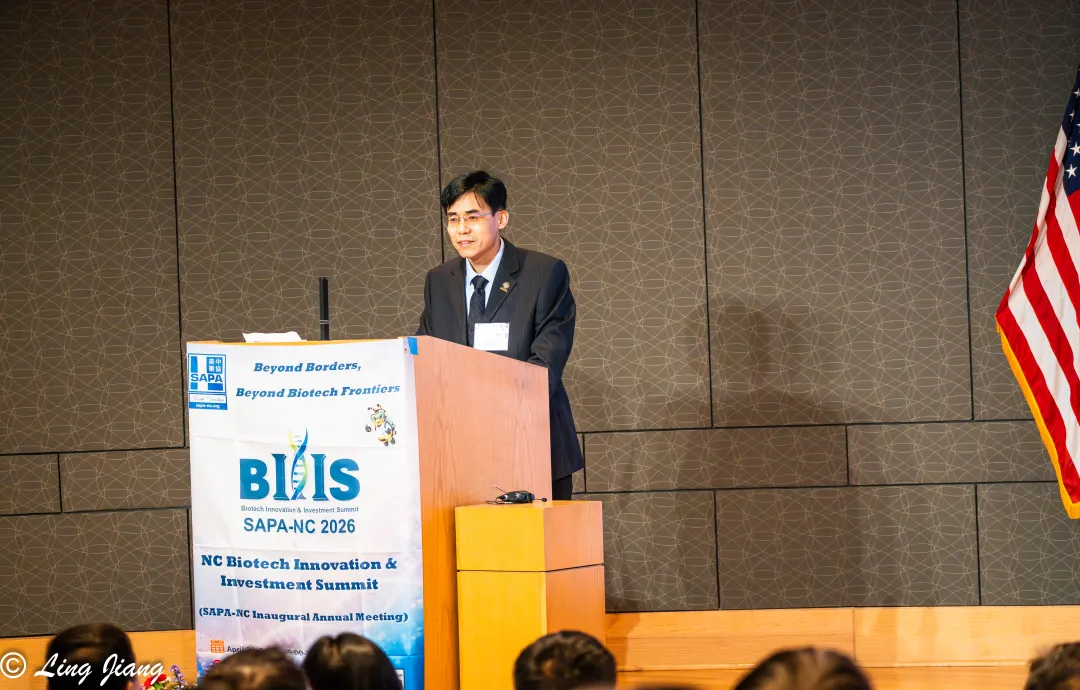
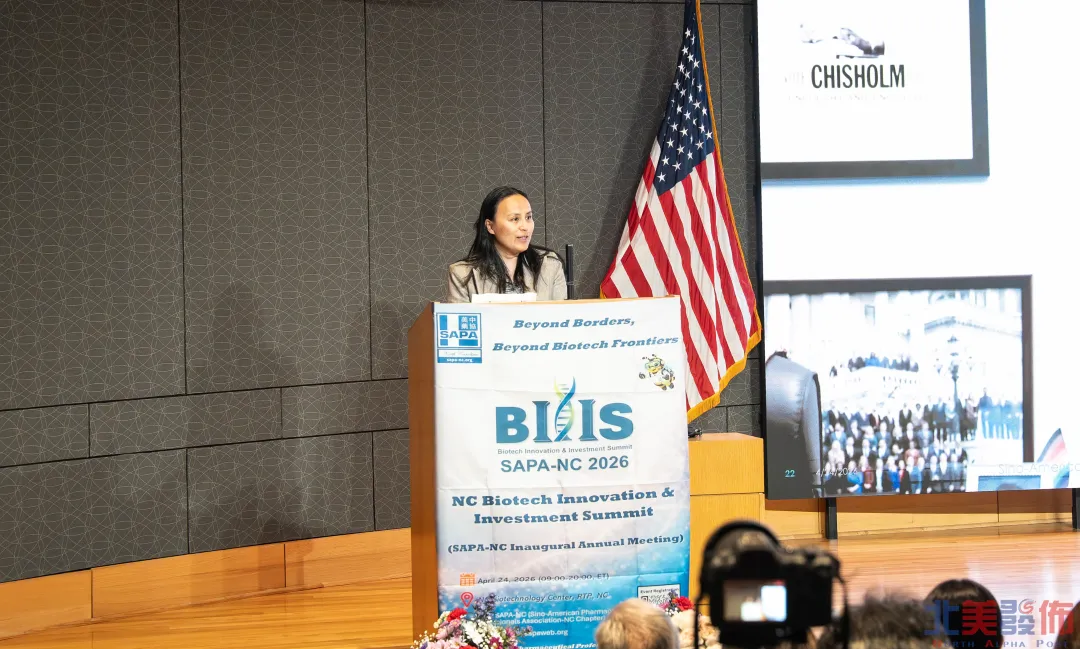
Additionally, Durham Mayor Leonardo Williams and North Carolina State Representative Dr. Ya Liu addressed the audience. Mayor Williams praised the summit's contribution to regional economic vitality and innovation. Representative Liu, the first Asian-American woman elected to the North Carolina General Assembly, highly affirmed SAPA-NC's role as a bridge in promoting public health policy and small business development, drawing an enthusiastic response from the audience.
Keynote Address I: Nobel Lecture
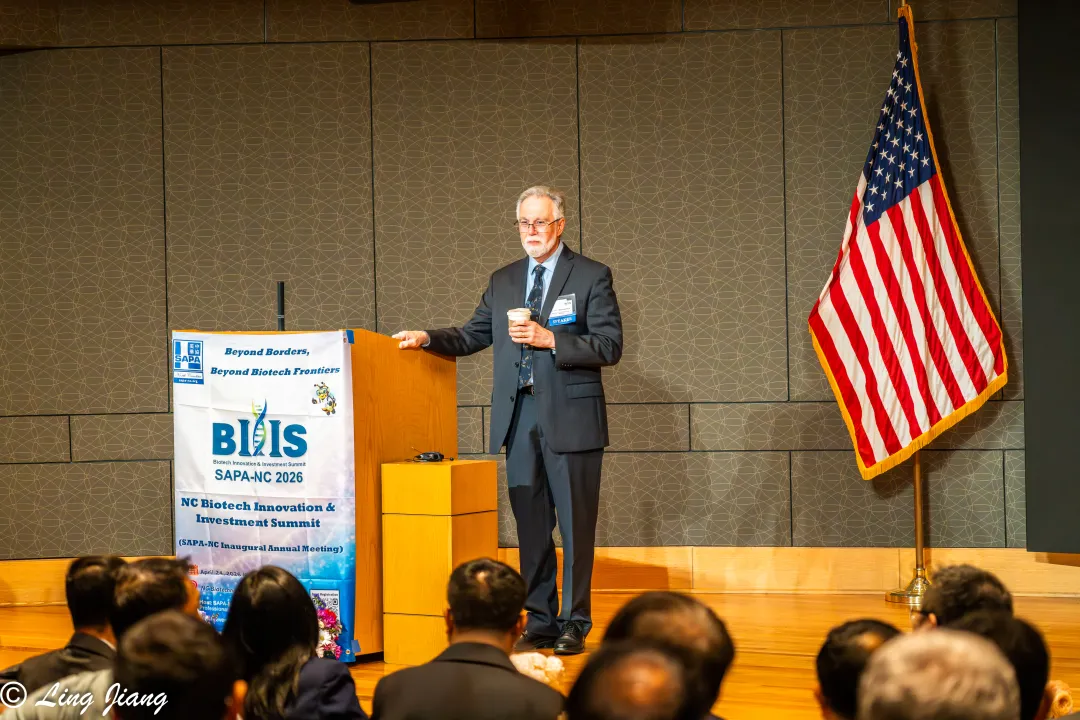
The conference then welcomed its most anticipated keynote. Dr. Gregg L. Semenza (M.D., Ph.D.), 2019 Nobel Laureate in Physiology or Medicine and Director of the Armstrong Oxygen Biology Research Center at Johns Hopkins University, delivered a forward-looking academic and translational medicine presentation titled "Targeting Hypoxia-Inducible Factors To Treat Cancer and Blinding Eye Diseases."
Dr. Semenza provided an accessible yet deep analysis of the critical roles of hypoxia-inducible factors (HIF-1 and HIF-2) in tumorigenesis and angiogenesis. He highlighted his team's development of the first-in-class HIF-1/2 dual-target inhibitor S9N and its latest breakthroughs in oncology. S9N not only effectively inhibits tumor growth, angiogenesis, and tissue invasion, but also overcomes resistance to immunotherapy in multiple solid tumors (such as triple-negative breast cancer and glioblastoma), potentially offering a new therapeutic pathway for malignancies currently lacking effective treatments.
In ophthalmology, Dr. Semenza demonstrated the immense potential of another dual-target inhibitor, 32-134D, in treating diabetic retinopathy (DR) and wet age-related macular degeneration (wet AMD). Compared to traditional anti-VEGF therapies requiring frequent intravitreal injections, 32-134D can simultaneously target all angiogenic factors and has the major advantage of being developed as a topical eye drop. This non-invasive delivery method could greatly improve patient compliance and was hailed by Dr. Semenza as a "paradigm shift in the treatment of blinding eye diseases."
The presentation spanned from basic scientific discoveries to innovative drug development, systematically presenting a clear pathway from Nobel-level research to the clinical pipeline at HIF Therapeutics, generating enthusiastic response and deep resonance among academic, industry, and investment experts in the audience.
Keynote Address II: AI-Driven Drug Discovery
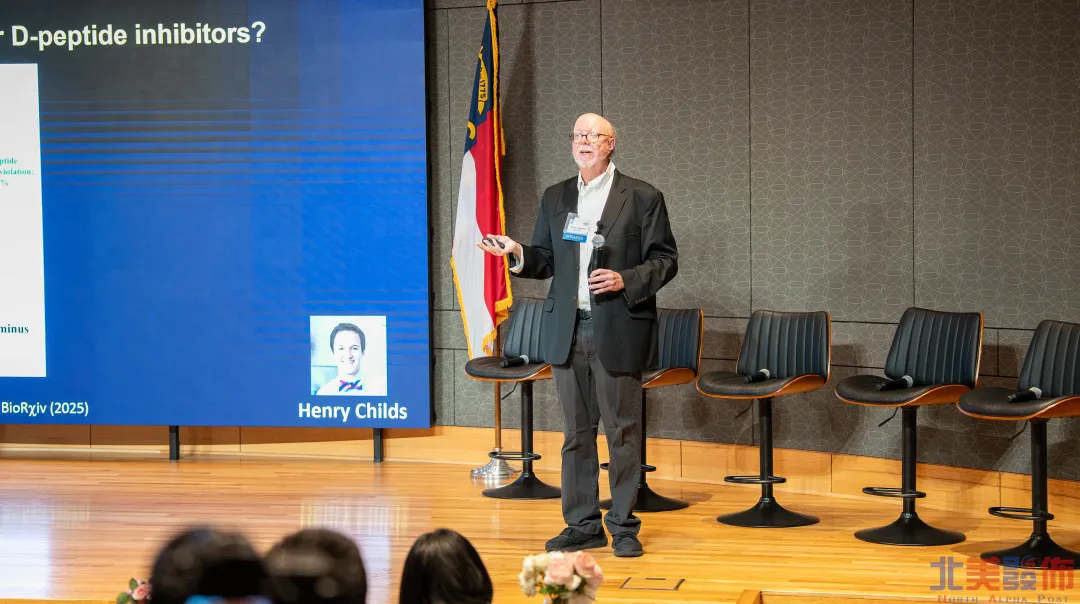
The conference then featured a session centered on "AI-Driven Protein Design and Drug Discovery," with Dr. Bruce R. Donald, James B. Duke Distinguished Professor at Duke University, delivering a keynote titled "AI-driven drug discovery both at Duke and through Ten63 Therapeutics." The presentation focused on the frontier intersection of artificial intelligence, computational biology, protein design, and drug discovery.
Drawing on his deep academic background across computer science, mathematics, chemistry, and biochemistry, Dr. Donald shared foundational computational methods for protein structure determination, computational protein design, and drug resistance prediction. He explained how rigorous algorithms and physics-based models can design targeted molecules — proteins, antibodies, and peptides — with superior therapeutic properties to solve complex biological challenges with real translational potential.
Dr. Donald also drew on his firsthand translational experience as founder and Chairman of the Scientific Advisory Board at Ten63 Therapeutics, vividly sharing how AI and physics-based molecular design platforms are being used to tackle highly challenging drug targets in oncology and other major diseases. The presentation systematically demonstrated how computational tools have evolved from auxiliary analytical methods to become a core driving force in modern biomedical discovery.
Nine Breakout Tracks
NC-BIIS 2026 featured nine high-level breakout tracks covering key areas from scientific innovation and translational medicine to capital operations and talent development.
Track 1, "RTP & Global Biotech Innovation Outlook," chaired by Dr. Tony Zhang, Founder and CEO of BizPro International, focused on "Opportunities, Challenges, and Strategies for Biotech Startups." Panelists including Dr. Zhi Hong (Chairman and CEO, Brii Biosciences), Dr. Xian Chen (Professor, UNC Chapel Hill), Dr. Xiaoqiang Xue (Global Head of Biostatistics, Syneos Health), and Dr. Andy Yuan (Co-founder and CEO, Excyte BioPharma) shared valuable insights on strategic selection ("Where to Play") and establishing global partnerships ("How to Win").
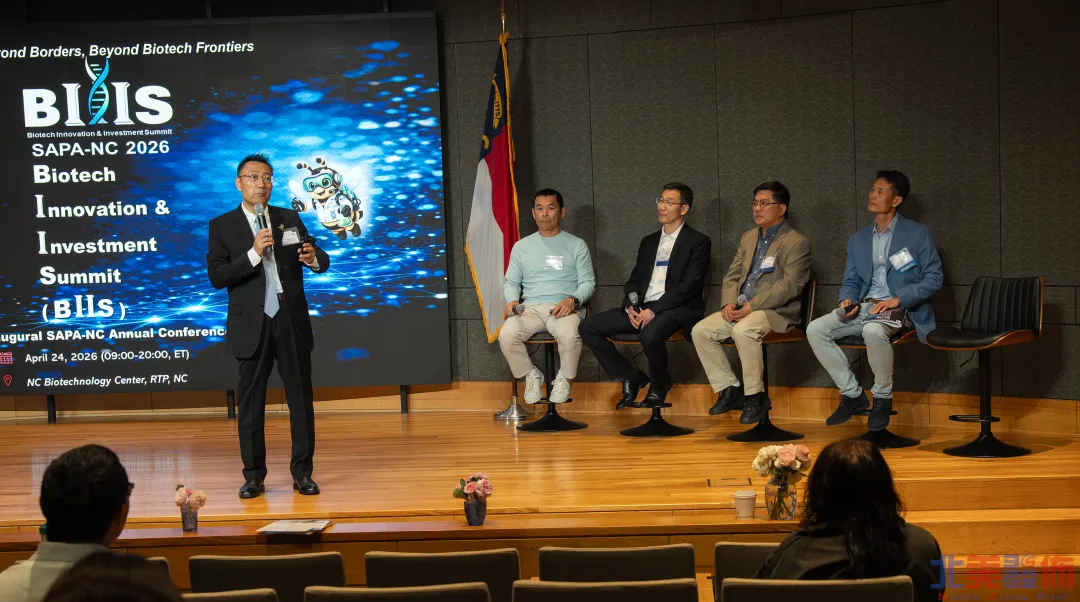
Track 6, "OTC, Startup & Investment," also chaired by Dr. Tony Zhang, delved into the financing and commercialization pathway from intellectual property (IP) to IPO. The roundtable discussion, "From IP to IPO: Building, Financing, and Advancing Biotech Startups into Clinical Stages," featured Dr. Vivian Li (Early-stage Biotech Investor, K2VC) and Dr. Michael Kates (VP, DavosPharma) among other seasoned investors and industry executives, providing highly practical guidance for translating scientific research into market-ready products.
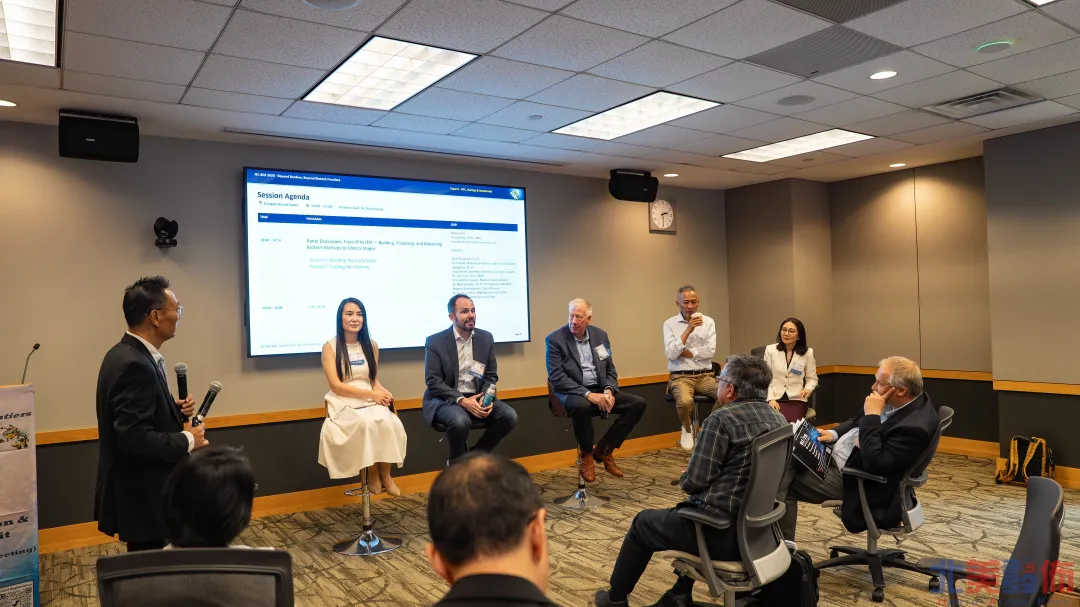
Other tracks were equally compelling — from Track 2 on AI in drug discovery, to Track 3's closed-door fireside chat featuring Nobel Laureate Dr. Gregg L. Semenza in dialogue with investment and industry leaders; from Track 4 on biomedical engineering exploring technologies like acoustofluidics, to Track 5 covering comprehensive drug development platforms; from Track 7 on emerging translational targets, to Track 8 on next-generation precision medicine and wearable devices, and Track 9 dedicated to career development and recruitment — comprehensively showcasing the vitality and future landscape of the global biopharmaceutical ecosystem.